The Future Looks Promising: Why You Should Transition to Solar Power Today
The shift to solar energy is increasingly relevant in contemporary society. With rising energy demands and sustainability challenges, many are exploring sustainable solutions. Solar power represents a viable option, delivering both sustainability perks and cost savings. As installation costs decline and technology improves, the advantages become more apparent. However, potential adopters may still have remaining questions about the process and implications. Understanding these factors can help determine whether solar energy is the right choice for them.
Understanding Solar Energy Basics
Solar energy, an effective clean energy resource, utilizes sunlight to create electricity and warmth. Photovoltaic cells, generally incorporated in solar panels, serve as the primary means to capture this energy and convert light into electricity. This mechanism functions when sunlight photons activate electrons in the cells, establishing an electrical stream. Furthermore, solar thermal technology utilizes sunlight to warm fluids, which can subsequently be used for home heating or to create steam for power generation.
Solar power systems can be mounted on roof structures or in expansive solar farms, providing flexibility for both residential and commercial applications. With reducing costs and advancements in technology, solar energy has become more and more accessible to a wider audience. Incentives, such as tax credits and rebates, further promote adoption. As a dependable and sustainable energy source, solar power plays an critical role in minimizing dependency on fossil fuels and promoting energy independence.
How Solar Power Impacts the Environment
Whereas several energy sources contribute to environmental degradation, solar power is notable for its potential to significantly reduce carbon emissions and other pollutants. By capturing sunlight, solar energy delivers a clean alternative to fossil fuels, which are significant contributors to air and water pollution. The use of solar panels creates electricity without emitting harmful emissions, notably decreasing the carbon footprint of energy consumption.
Moreover, solar power systems demand minimal water for operation, unlike typical power plants that consume extensive water resources for cooling. This minimization in water consumption helps ease strain on local water resources, particularly in drought-prone regions.
Furthermore, as solar technology evolves, the environmental impact of creating and getting rid of solar panels keeps get better. The recycling of solar components is growing increasingly effective, even more reducing environmental concerns. Overall, the adoption of solar energy signifies an essential move in the direction of a sustainable and green future.
The Economic Benefits of Adopting Solar Energy
Transitioning to solar energy presents substantial financial gains for homeowners and businesses alike. Not only can consumers expect significant long-term savings on energy bills, but there are also several tax incentives currently available that can offset the initial investment. This combination of savings and incentives makes solar energy an continually more attractive solution for those looking to cut their overall energy costs.
Potential for Long-Term Savings
Investing in solar energy provides substantial long-term savings potential that can substantially impact both residential budgets and commercial finances. By creating their own electricity, businesses and homeowners can substantially reduce or even eradicate their monthly utility bills. Over time, these savings add up, resulting in a return on investment that often surpasses initial installation costs. Additionally, solar energy systems typically require minimal maintenance, further enhancing their cost-effectiveness. With energy prices expected to rise, locking in a stable energy source through solar can provide economic stability and certainty. Moreover, as technology evolves, the view information about efficiency and lifespan of solar panels continue to increase, ensuring that the long-term advantages of solar energy remain compelling for both commercial and residential users.
Tax Benefits Available Today
How can homeowners and businesses benefit financially from tax incentives when transitioning to solar energy? The federal government presently provides the Investment Tax Credit (ITC), which allows individuals to deduct 26% of solar installation expenses from their federal taxes. This benefit applies to both residential and commercial installations, substantially decreasing the initial investment. Moreover, many states make available their own tax credits, rebates, and grants, additionally improving financial benefits. Some local governments also implement property tax exemptions, ensuring that the increased property value from solar installations won't cause higher taxes. These incentives collectively render solar energy more financially attractive, helping homeowners and businesses to get their money back faster while advancing a sustainable future.
Important Solar Incentives to Know
In what ways can homeowners optimize their economic advantages while moving to solar energy? Comprehending the various solar incentives is vital. Federal programs, such as the Investment Tax Credit (ITC), allow homeowners to deduct a substantial percentage of their solar system installation costs from their federal taxes. Moreover, many states offer regional incentives, including rebates and tax credits, which can significantly reduce initial costs.
Some utility companies deliver performance-based incentives, benefiting homeowners for the energy produced by their solar setups. Furthermore, net metering enables homeowners to get compensation for excess electricity generated, further offsetting expenses.
Funding choices, including solar loans and leases, can also improve affordability. Programs designed for low-income households, such as the Solar for All initiative, aim to make solar accessible to a wider audience. By leveraging these incentives, homeowners can greatly enhance their financial returns when switching to solar energy.
Evaluating Home Solar System Types: Grid-Tied, Off-Grid, and Hybrid
When examining residential solar systems, homeowners can decide between grid-tied, off-grid, and hybrid choices. Grid-tied systems offer seamless integration with existing power grids, permitting energy savings and potential income through net metering. On the other hand, off-grid systems deliver independence from utility companies but present unique considerations concerning energy storage and reliability.
Advantages of Grid-Tied Systems
While countless homeowners research diverse solar power options, grid-tied systems are notable for their many advantages. These systems connect directly to the local electricity grid, enabling homeowners to leverage both solar power and traditional electricity seamlessly. One major benefit is the potential for net metering, where excess energy generated can be fed back into the grid, lowering electricity bills. In addition, grid-tied systems require less storage capacity, doing away with the need for costly batteries. This brings about lower upfront installation costs and simplified maintenance. Moreover, they provide reliable electricity during non-sunny periods, ensuring continuous power supply. All things considered, the efficiency and cost-effectiveness of grid-tied systems make them an compelling choice for many homeowners wanting to move to solar energy.
Important Off-Grid System Aspects
Even though off-grid systems provide a self-reliant energy solution, they bring specific considerations that homeowners should evaluate. Initially, the initial investment is generally higher due to the requirement of batteries and additional equipment. Homeowners must also evaluate their energy consumption patterns, as off-grid systems necessitate careful management to secure the availability of power during periods of low sunlight. Moreover, maintenance responsibilities rise, with regular checks on battery health and system performance. Off-grid systems may also require space for solar panels and batteries, which can be a limiting factor for some properties. Last but not least, homeowners should analyze their long-term energy needs and potential future expansions to verify the system remains adequate over time.
Popular Fallacies Regarding Solar Energy
Which misconceptions blur the perception of solar energy? Several individuals are convinced that solar panels are not effective in cloudy or rainy climates, but technological developments have allowed panels to capture energy even in non-ideal conditions. Another common myth is that solar energy is excessively costly; however, prices have markedly decreased over the years, making it more accessible for homeowners. Some people have concerns that solar panels require considerable maintenance, yet they are generally maintenance-light and often come with warranties lasting 20 years or more. Additionally, there is a belief that solar energy can only be harnessed in big installations, when in fact, residential installations can be equally efficient. To conclude, concerns about the lifespan of solar panels often emerge, but most systems are designed to last 25 years or beyond, delivering sustainable energy solutions for decades. Dispelling these misconceptions is crucial for a clearer understanding of solar energy's potential.
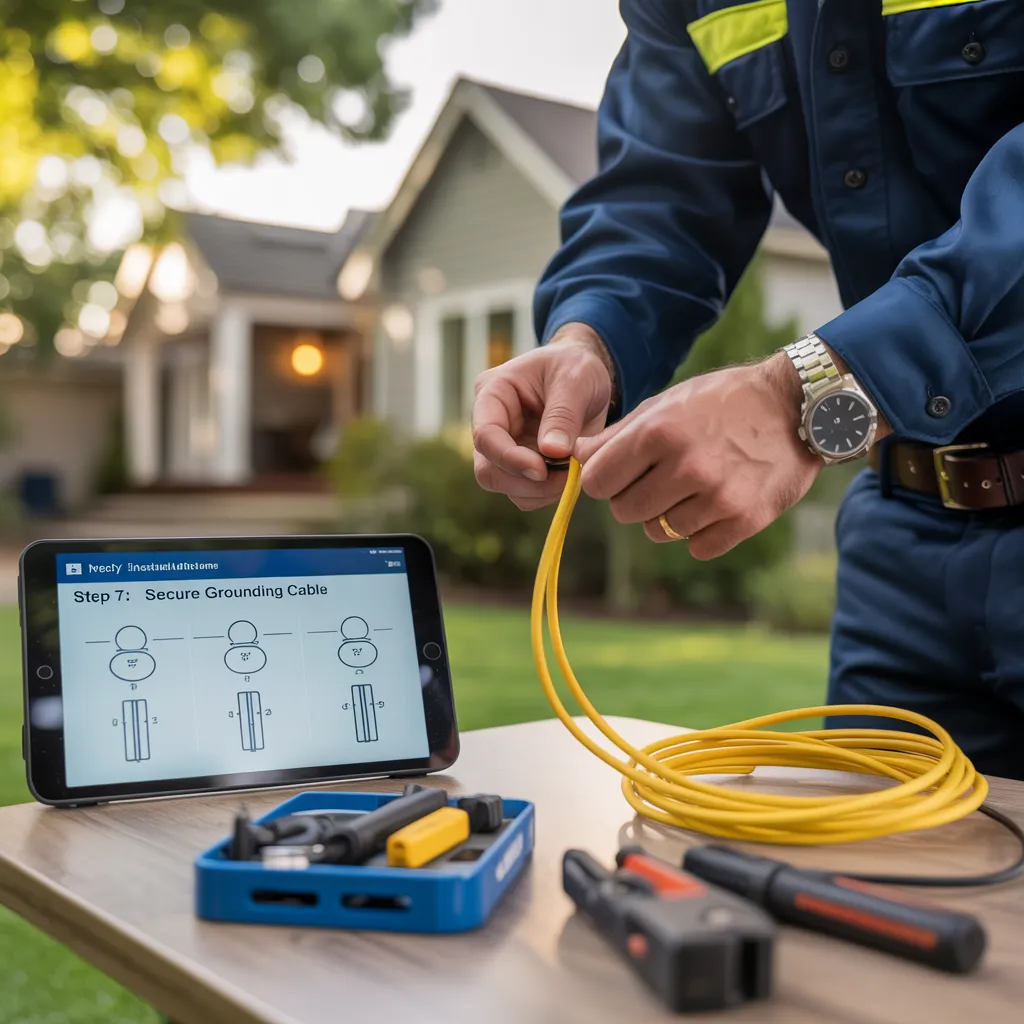
Installing Solar Panels: A Step-by-Step Guide
Understanding the realities of solar energy lays the groundwork for those considering its adoption. To install solar panels, one must first evaluate the roof's suitability. This includes evaluating the roof's area, angle, and sun exposure throughout the day. Next, obtaining essential permits and checking local regulations is crucial to ensure compliance.
Once approvals are secured, the installation process initiates with mounting the solar panels to the roof using brackets. Subsequently, the panels are linked to an inverter, which converts solar energy into usable electricity.
Wiring the system to the home's electrical panel is the next step, guaranteeing correct connection and safety. After installation, it is essential to test the system's functionality to verify proper operation. As a final step, homeowners should look into implementing a monitoring system to track energy production. This systematic method simplifies the shift to solar energy, facilitating a sustainable power source.
Common Questions
Can Solar Panels Operate in Cloudy or Rainy Weather?
Even during cloudy or rainy conditions, solar panels can still produce electricity, though with decreased efficiency. They work by capturing diffused sunlight, which enables them to function at diminished capacity compared to clear days.
How Long Do Solar Panels Last Before Needing Replacement?
Solar panel systems typically last between 25-30 years before requiring replacement. Their durability is influenced by several factors, including quality of installation, maintenance, and local weather conditions, which can influence both performance and lifespan.
Will Solar Panels Raise My Property Value?
Yes, solar panels can increase property value. Research indicates homes with solar installations often sell for more than comparable homes without them, attracting buyers because of reduced energy costs and environmental advantages connected to renewable energy.
Am I Able to Install Solar Panels on My Own?
Yes, property owners can self-install solar panels, provided they maintain the requisite technical abilities and knowledge. However, proper understanding of local regulations, safety protocols, and potential technical challenges is essential for a successful installation process.
What Occurs if I Sell My Property With Solar Panels?
If a property owner sells their home with solar panels, the panels usually boost property value. Purchasers commonly welcome the energy savings, but if leased, commitments could transfer, affecting the sale. Adequate disclosure is crucial in these transactions.